



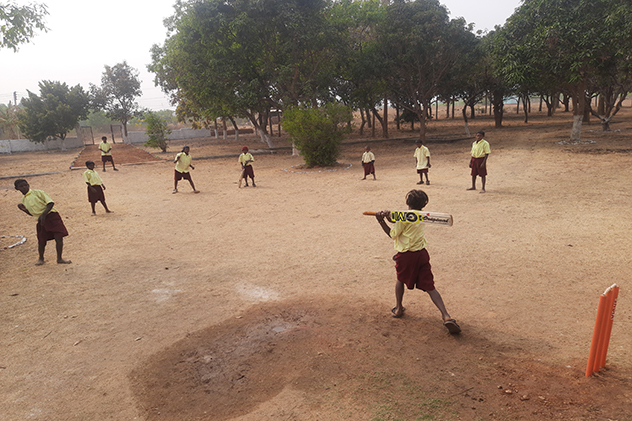
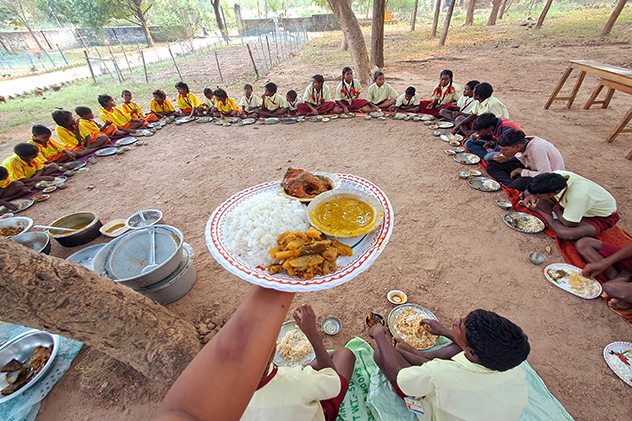
Nestled in West Bengal’s Purulia district, Bonkanali is a small village home to the Sabor tribal community. Our journey with this village began in October 2020, culminating in the inauguration of Swapnaloke Sabujangan Vidyalaya on January 18, 2021—a free residential school dedicated to the education and care of Sabor tribal children.
At its launch, the school welcomed just 14 students. Today, it has grown into a vibrant learning community with 35 children who now call it home. These young lives were once marked by extreme poverty and hardship. Many had endured child labor, and in their struggle to survive, resorted to eating wild animals such as field rats, frogs, lizards, birds, civet cats, foxes and snakes. Some turned to cheap, harmful substances to cope with hunger. Every family in Bonkanali was fighting an uphill battle for survival.
But a new chapter has begun.
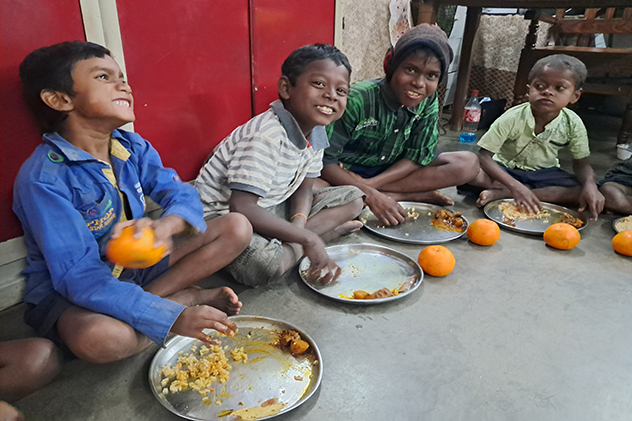
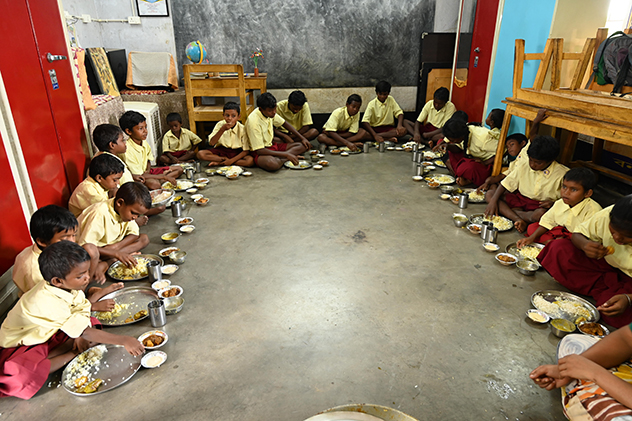
The school now provides holistic care—including quality education, nutritious food, clean clothing, medical support, all their daily amenities, and assistance with government documentation. Every child’s daily needs are met with dignity and compassion.
Our outreach goes beyond the school. We actively support Bonkanali’s adult population, primarily through medical care. We also support them by providing nutritious food and clothes. Thanks to our efforts, the village now enjoys clean drinking water and electricity for the very first time.
To help children become self-sufficient and proud of their heritage, we teach essential life skills: animal husbandry, vegetable cultivation using rainwater, farming, fishery, handicrafts making, and traditional tribal dances like Chhau and Jhumur.
Little by little, the children of Bonkanali are building a brighter, more independent future. And this—this is only the beginning of their extraordinary journey.
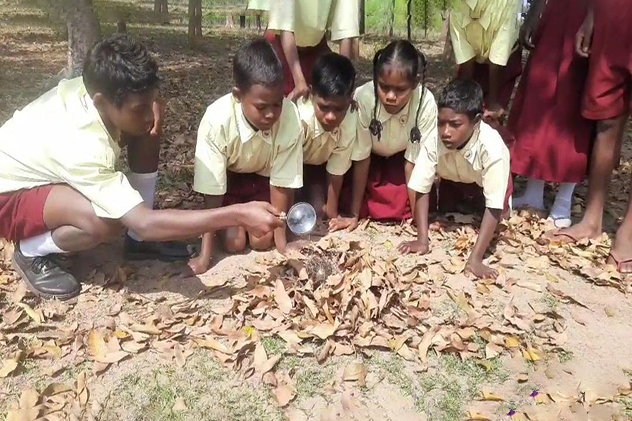
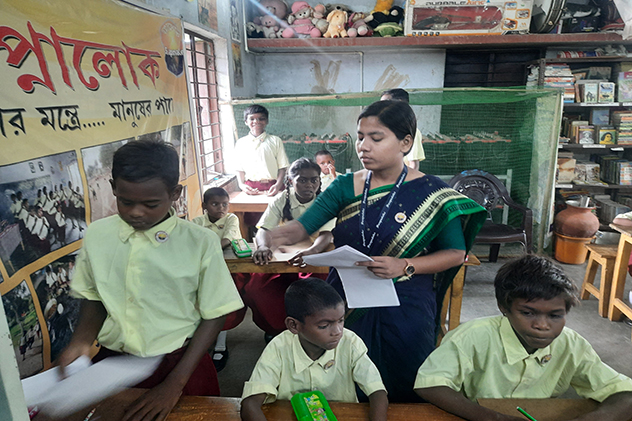

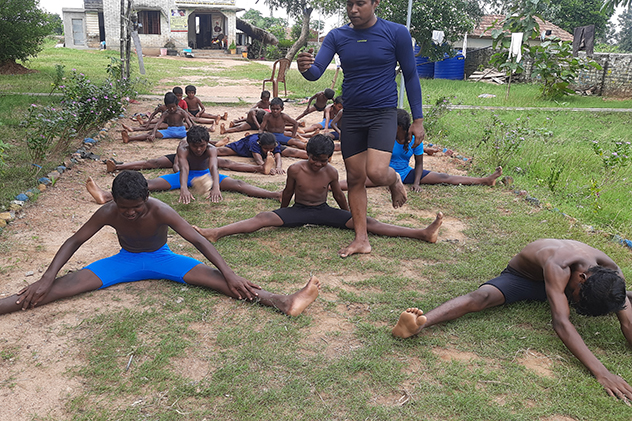
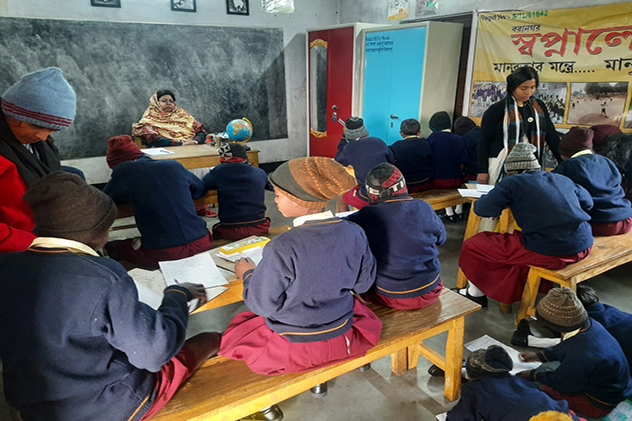
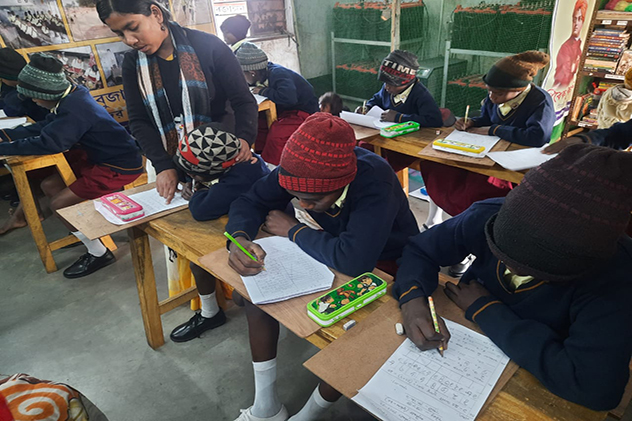
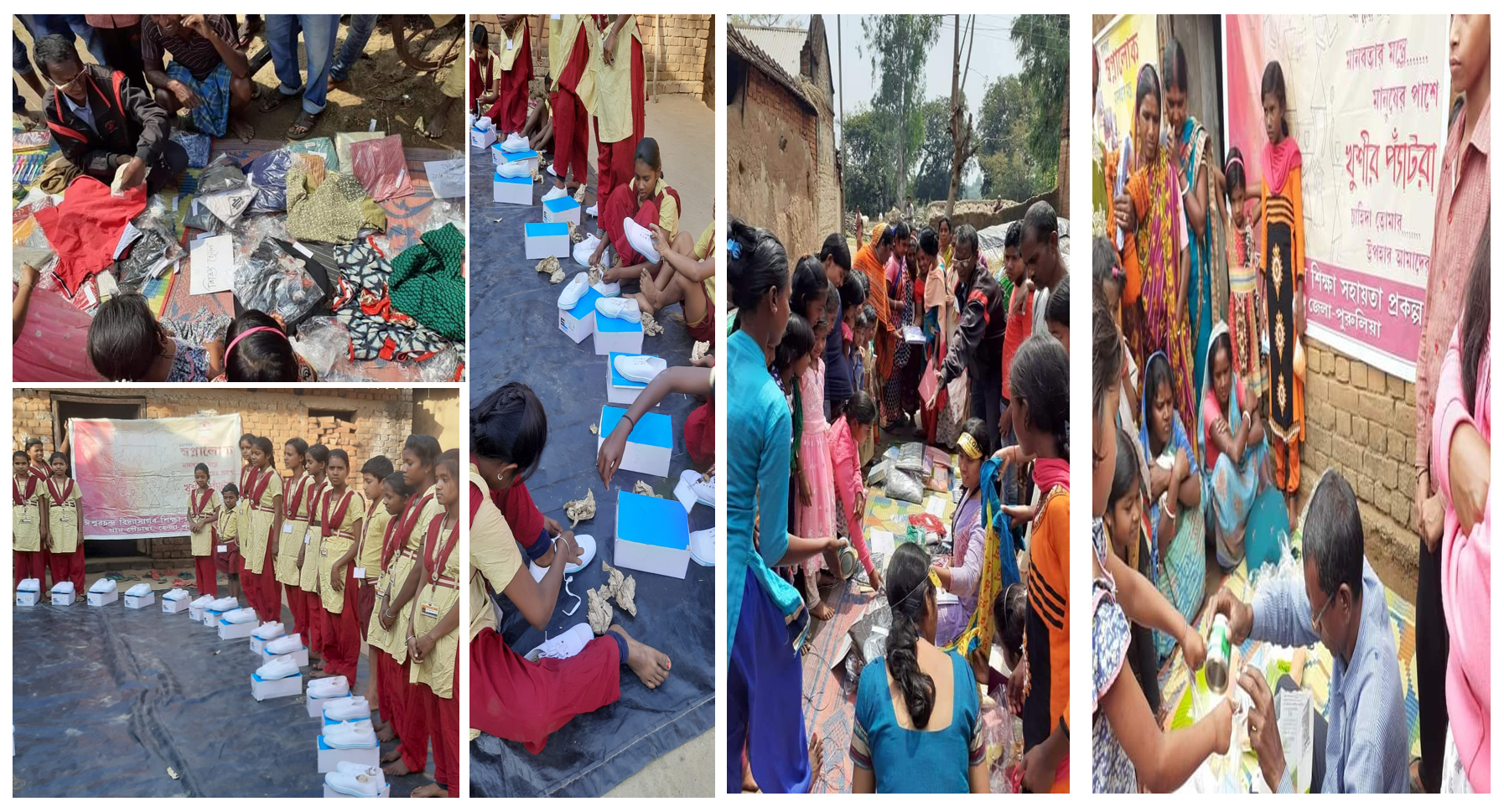
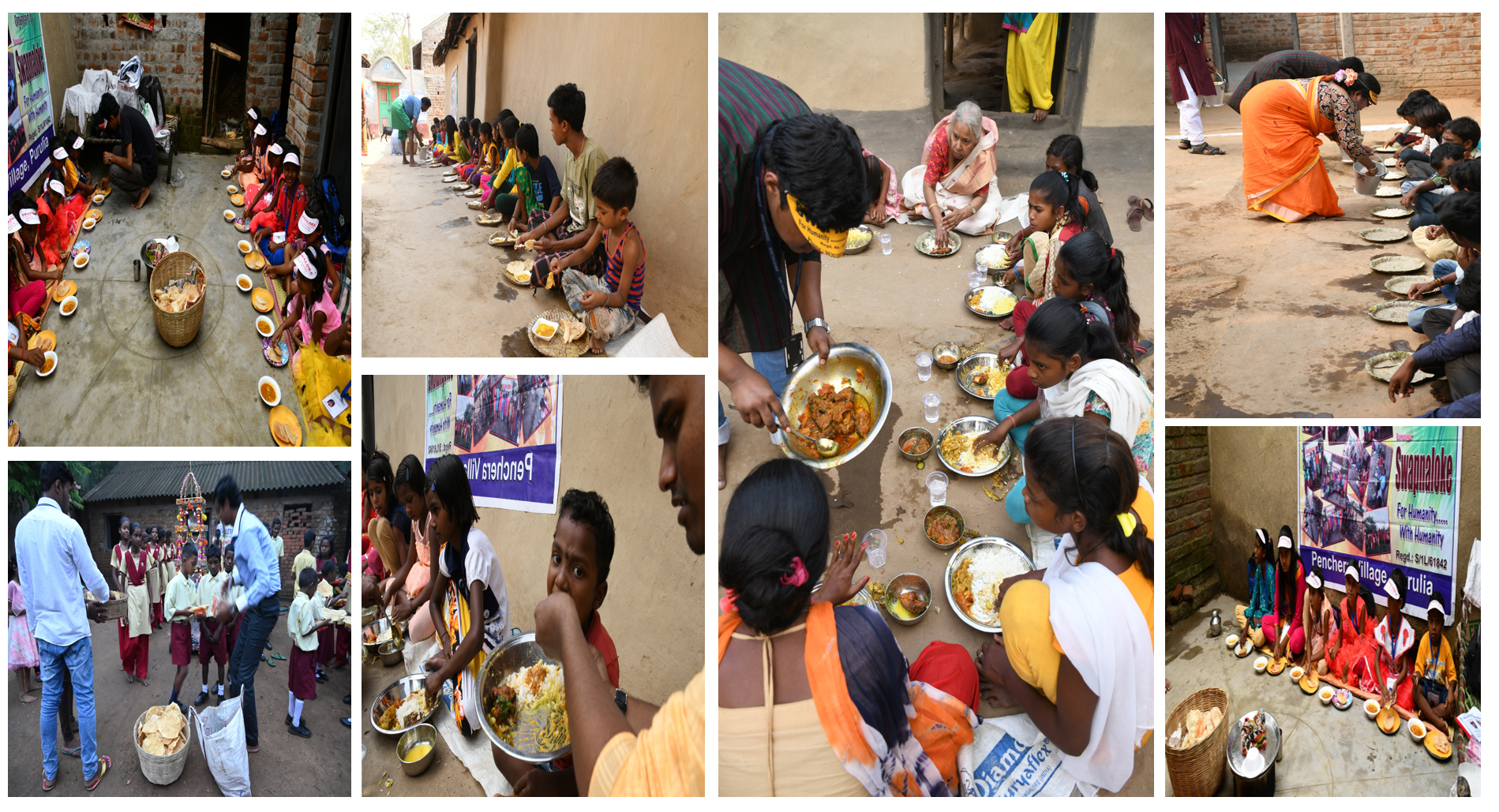
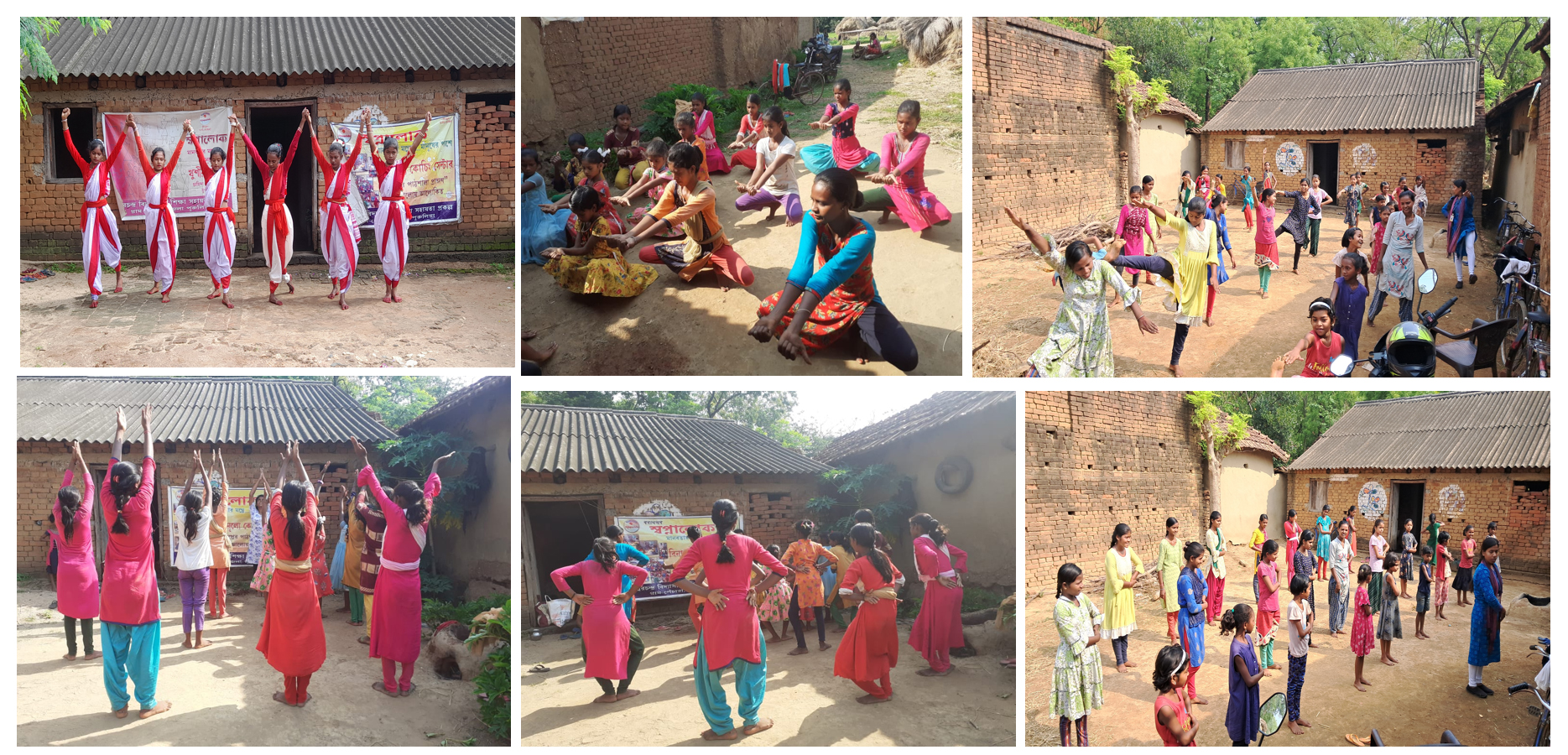
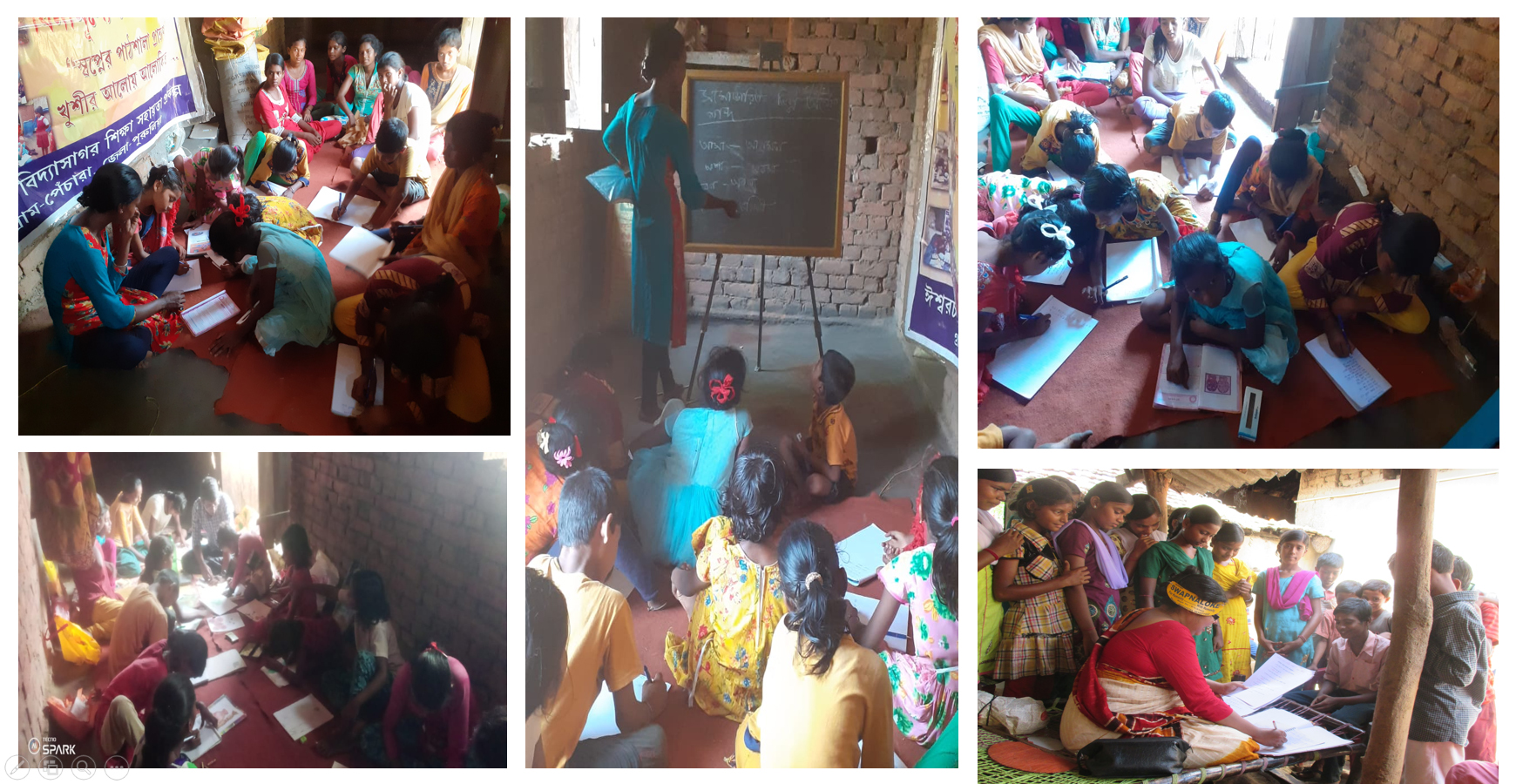
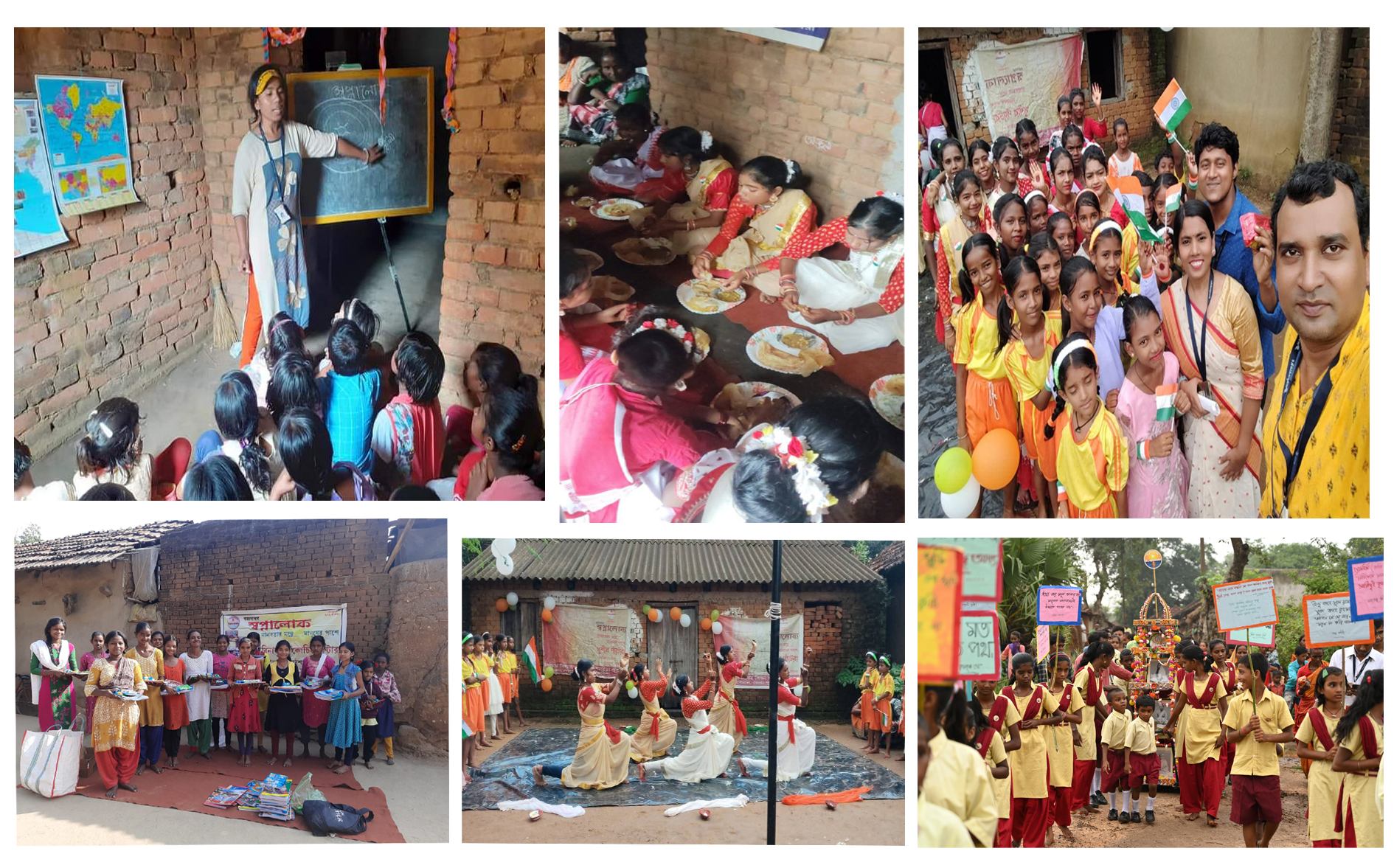
Empowering underprivileged rural children—especially girls—through free coaching, higher education support, cultural development, and awareness programmes, while preventing child marriage and promoting education for a brighter future. In 2015, we established a centre for underprivileged rural children, especially girls, in Penchara village of Purulia district. The centre, named “Swapner Pathshala Prangon” (a free coaching centre) and “Khushir Pantra” (a free community initiative designed like a shopping mall), is still functional. At present, 20 students are enrolled, and over the past 10 years, more than 120 children have directly benefited from this project. The project was initiated to support children and adolescents attending government schools whose education was often disrupted due to lack of resources, and to prevent dropouts and child marriage among girls. Our Key Initiatives 1.Educational Materials: Providing books, notebooks, and other learning essentials. 2.Free Coaching: Daily two-hour classes, five days a week, along with tiffin; on special occasions, breakfast, snacks, and lunch are also arranged. 3.Creative Development: Weekly classes in dance, yoga, gymnastics, and drawing; with additional sessions during cultural events. 4.Knowledge Building: Teaching history, geography and science through interactive methods and storytelling, while nurturing the habit of reading. 5.Higher Education Support: Financial assistance and necessary resources for admission and continuation of studies at higher secondary, undergraduate, and postgraduate levels. 6.Khushir Pantra: A free community initiative providing essentials such as pulses, soybean, biscuits, eggs, toiletries, detergents, puffed rice, satoo, and well-maintained second-hand clothes. Open on the 2nd and last Sunday of each month, children and villagers can choose items using a beneficiary card issued by Swapnaloke. 7.New Clothes: Distribution of new clothes twice a year, during Bengali New Year and Durga Puja. 8.Cultural & Educational Activities: We actively involve children in cultural events throughout the year to foster healthy recreation and balanced mental development. They also participate in Pujo Parikrama (pandal-hopping) during Durga Puja and in our annual educational excursions, which provide both experiential learning about the natural and social environment and joyful experiences essential for their overall growth. 9.Awareness & Empowerment: We regularly organize awareness programmes on issues such as child marriage, child labour, human trafficking, general health and hygiene, menstrual awareness, and girl’s education. As a result, the incidence of child marriage in the village has dropped to nearly zero and girls who once dropped out before completing school are now continuing their studies up to the postgraduate level. Impact: Most of our students are girls. We take immense pride that many of them, once at risk of child marriage, are now pursuing higher education with confidence. Appeal: We humbly seek your support to sustain and grow this initiative, so that every child in Penchara may dream freely and walk towards a brighter, dignified future.
Our team is actively engaged in the Awareness Project, conducting outreach across various villages in the Purulia district. This initiative focuses on several critical social issues: 1. Preventing child marriage and promoting education, particularly for girls 2. Addressing challenges faced by migrant workers 3. Combating human traffickings 4. Raising awareness about health and hygiene 5. Eliminating child labour To effectively spread awareness, we conduct interviews and gather insights from a diverse group of professionals, including doctors, lawyers, police officers, government officials, educators, religious leaders, and other subject matter experts. We also document personal stories from individuals who have directly experienced these issues. These audio-visual materials are showcased during community awareness sessions held in clubhouses, community centers, or open fields. Using projectors, we present the content to large audiences, encouraging active participation through interactive discussions and Q&A sessions to ensure deep community engagement. In addition to awareness efforts, we distribute free educational supplies and healthcare kits to girls. At the end of each session, we invite girls, youth, and community members to reach out with concerns related to the issues discussed, and we provide support as needed. Through this initiative, we have successfully: 1. Prevented numerous child marriages 2. Facilitated medical treatment for individuals and migrant workers 3. Arranged cataract surgeries for elderly residents 4. And achieved several other impactful outcomes
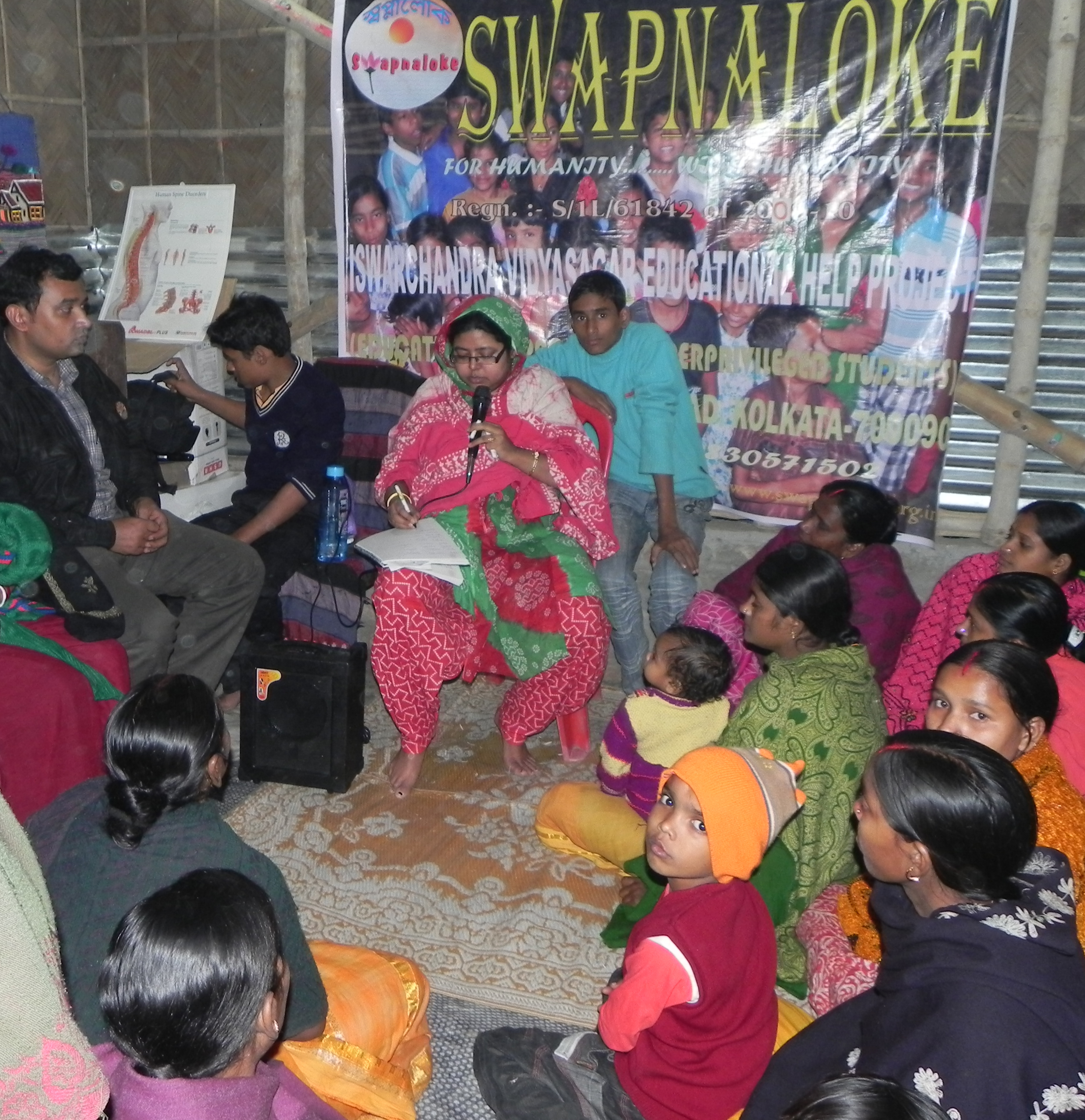
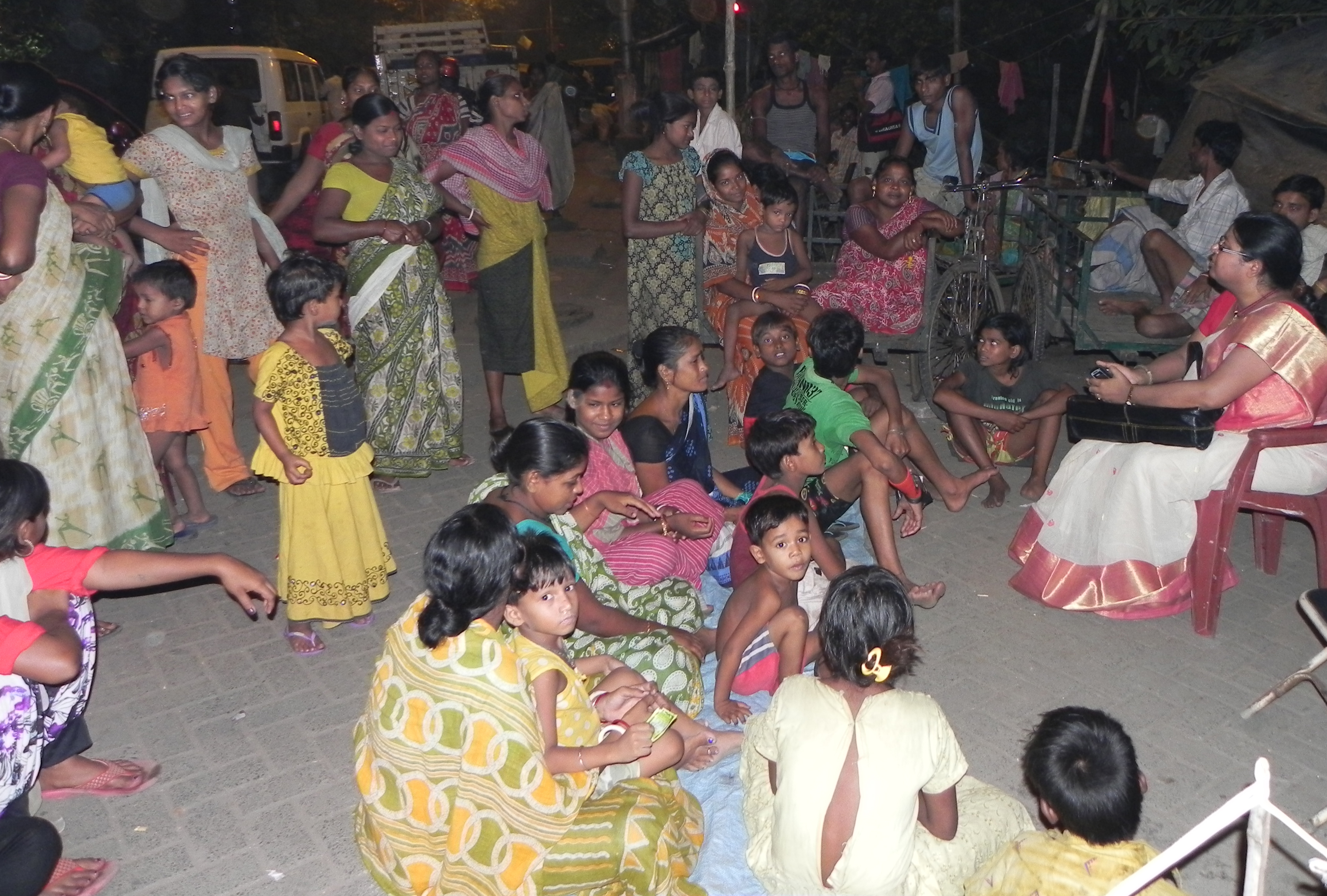
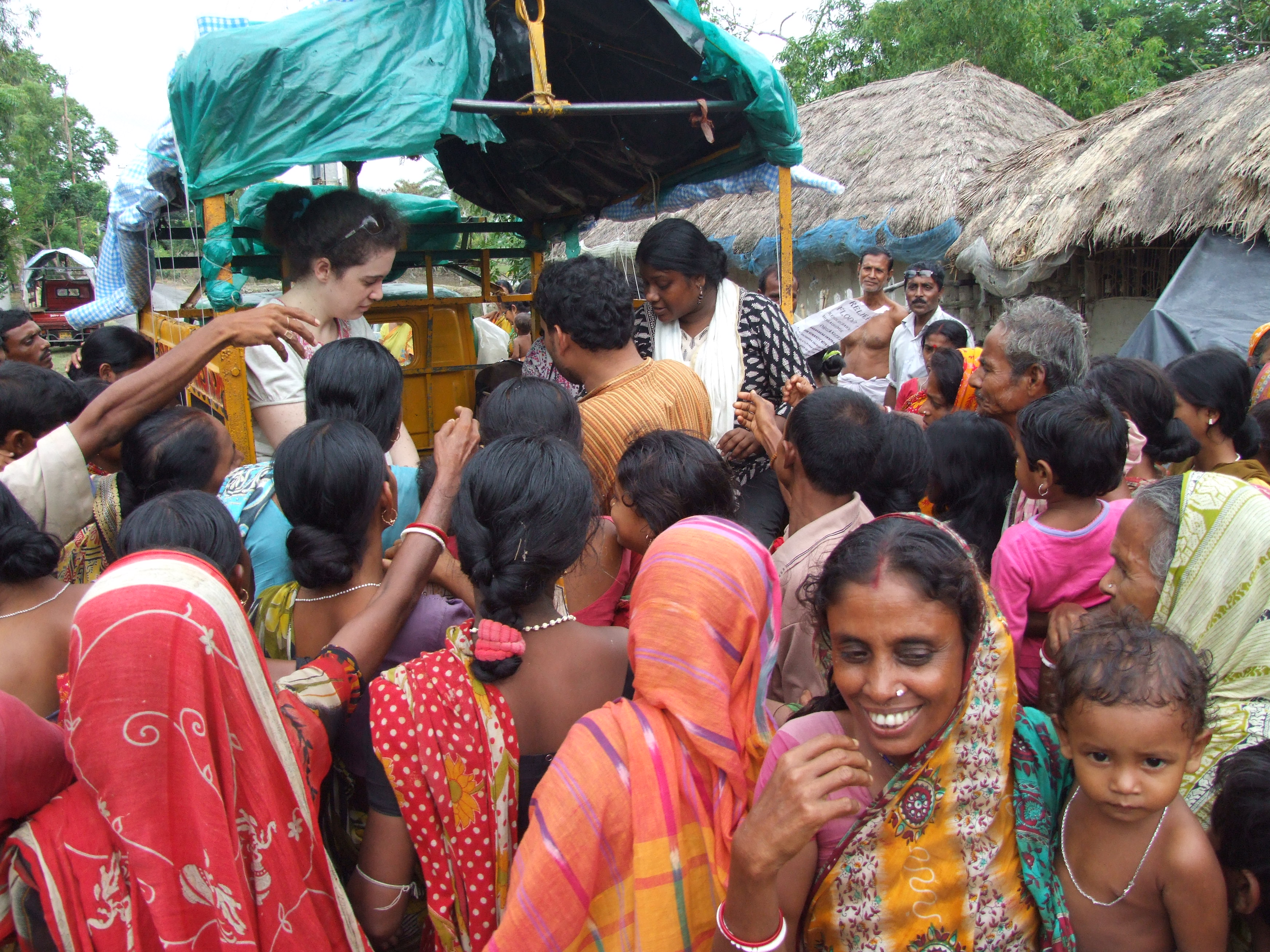

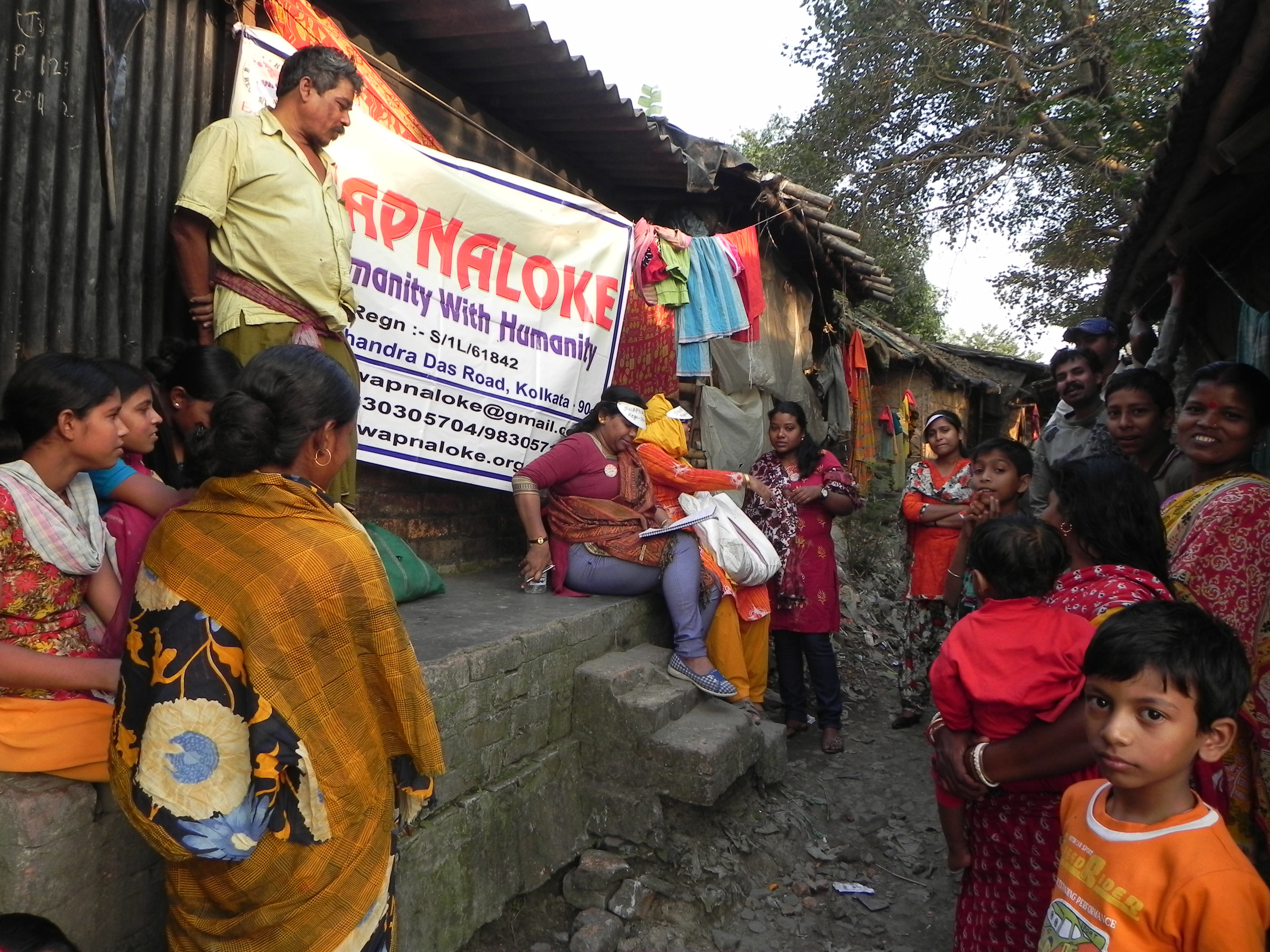


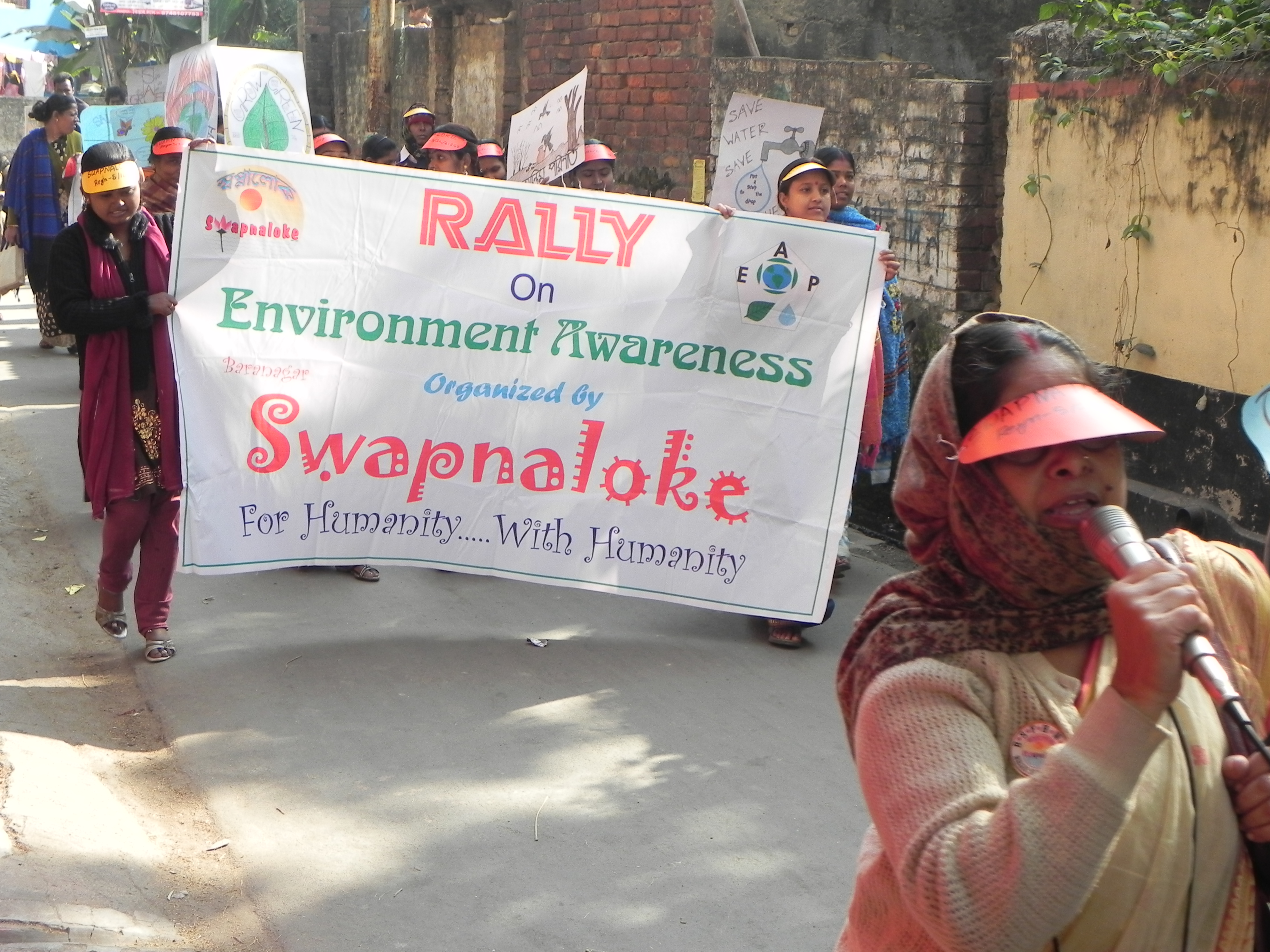
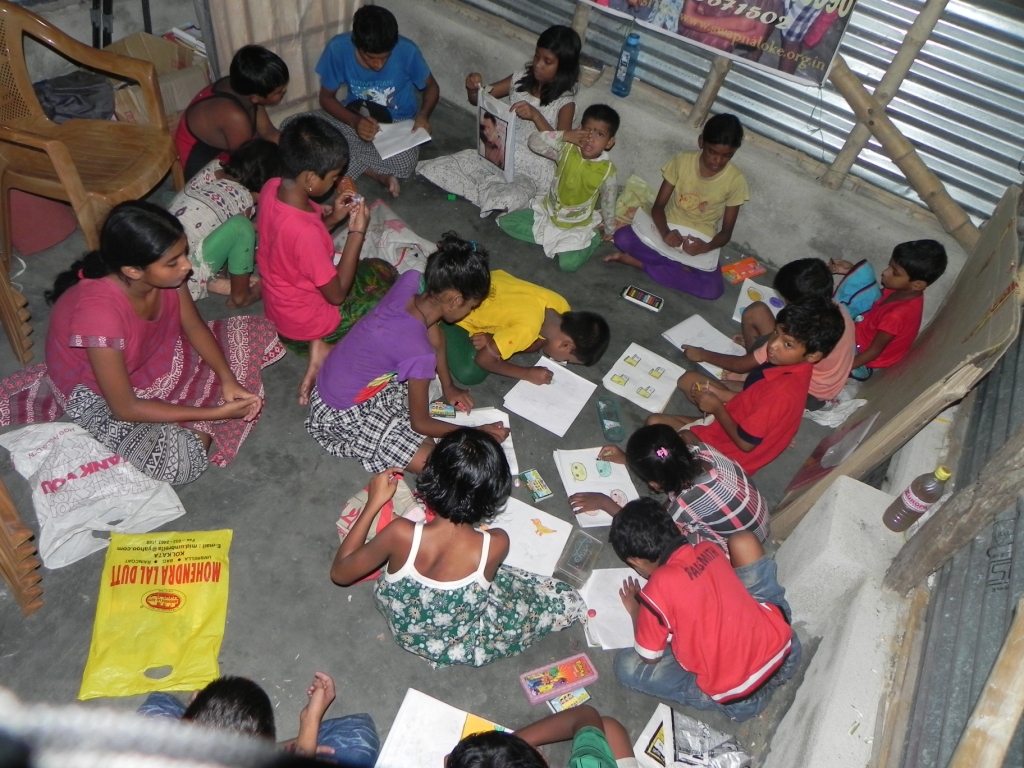

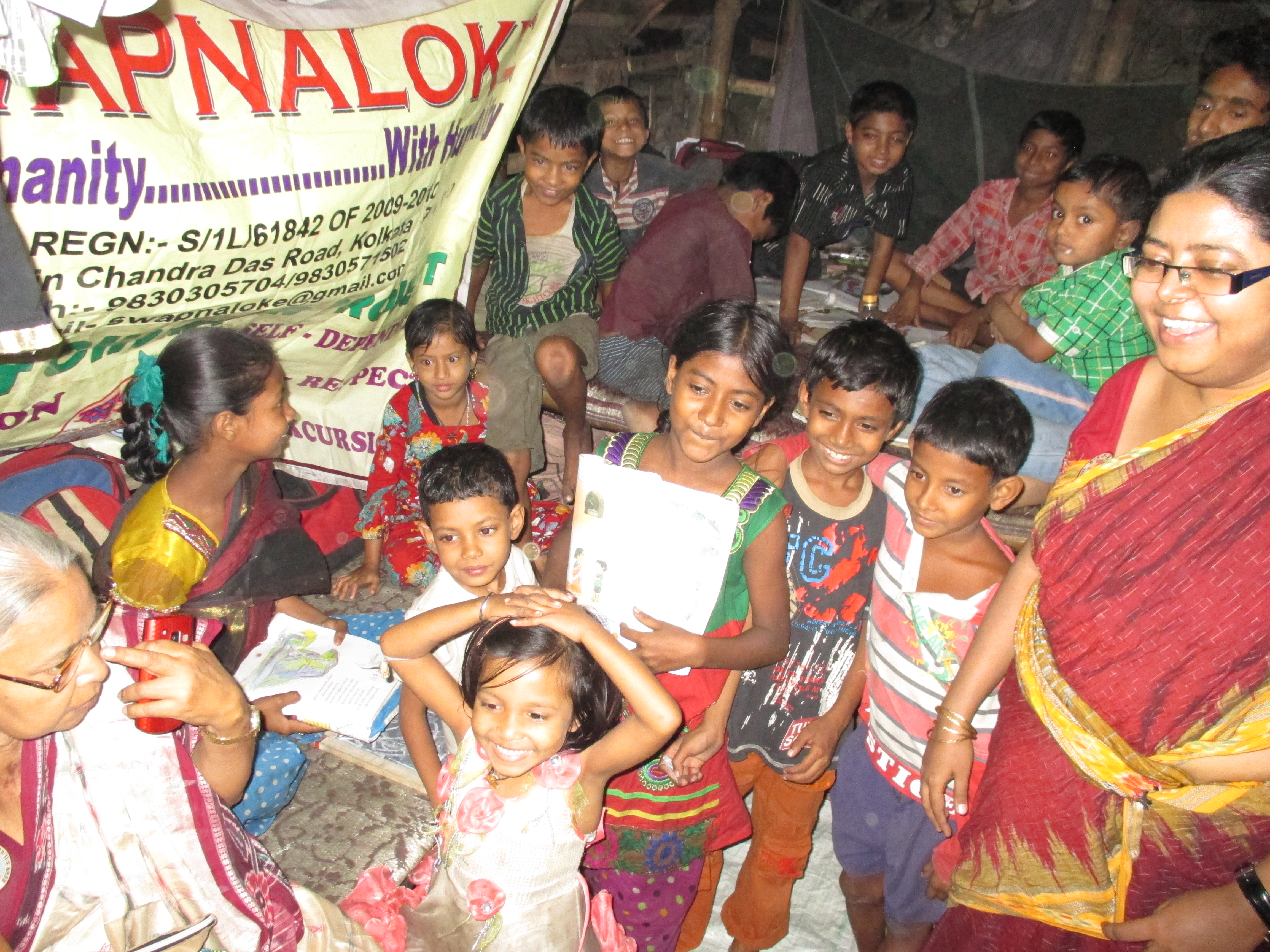
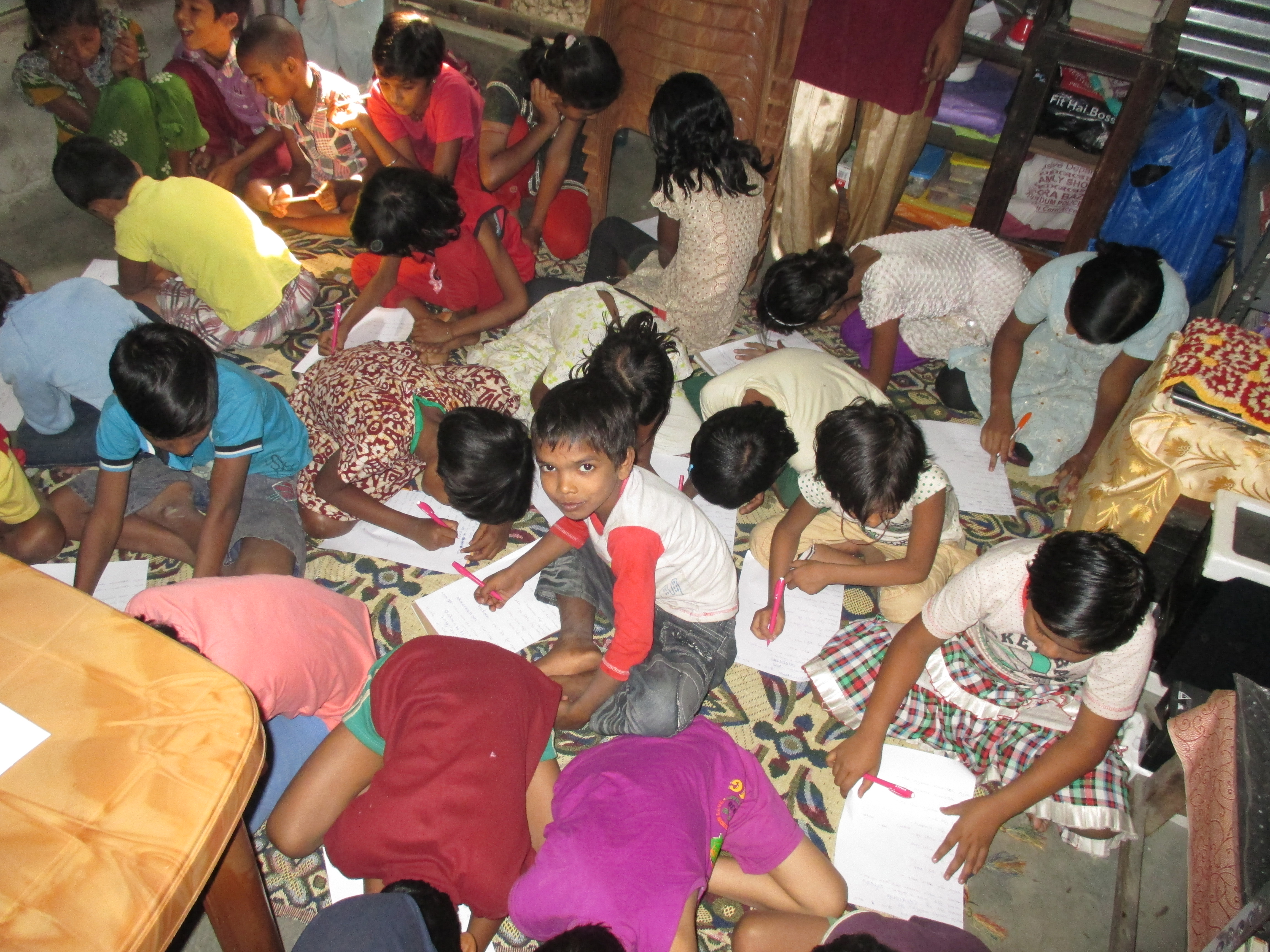

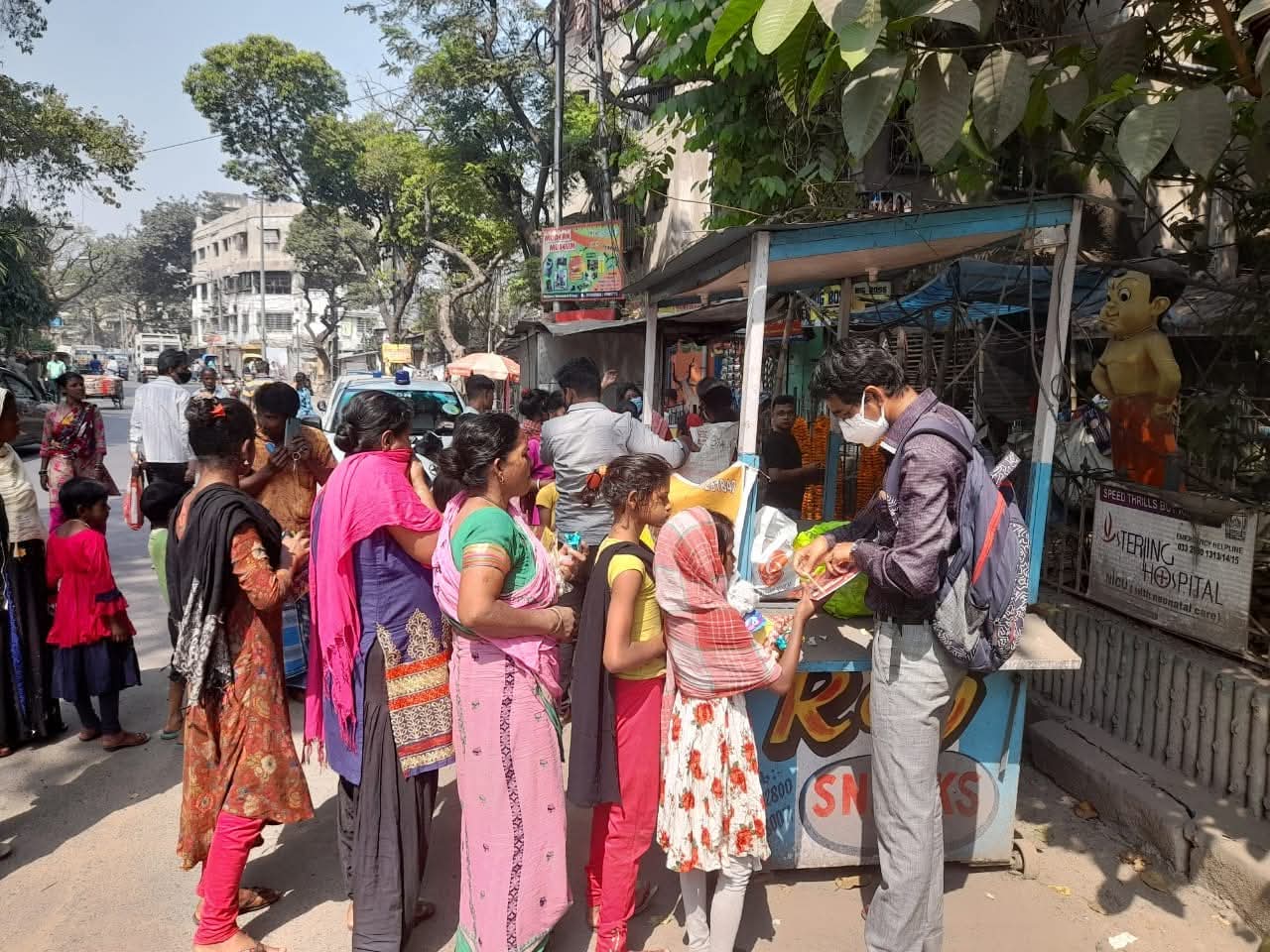
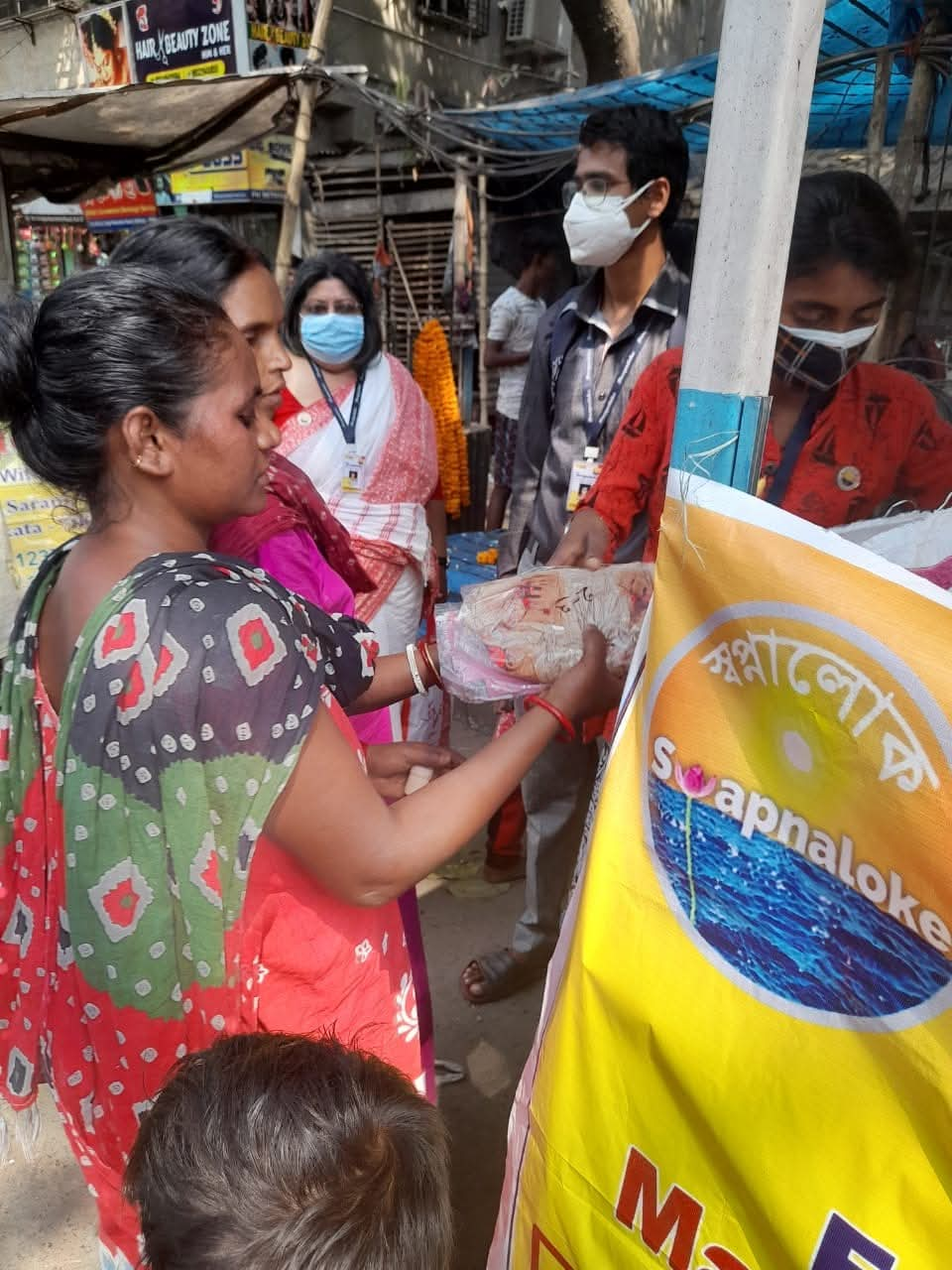
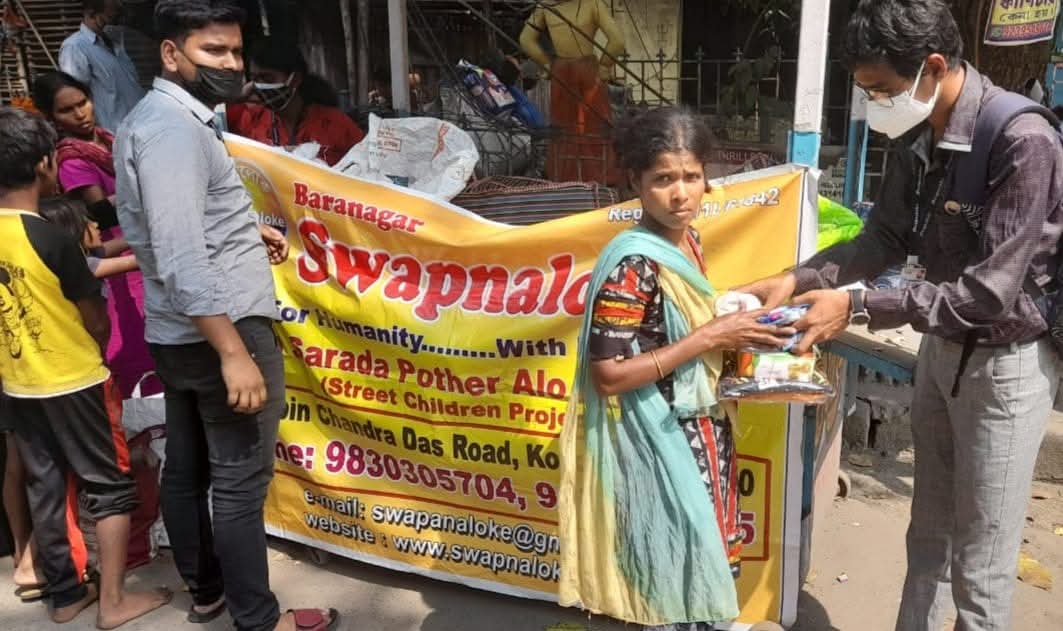
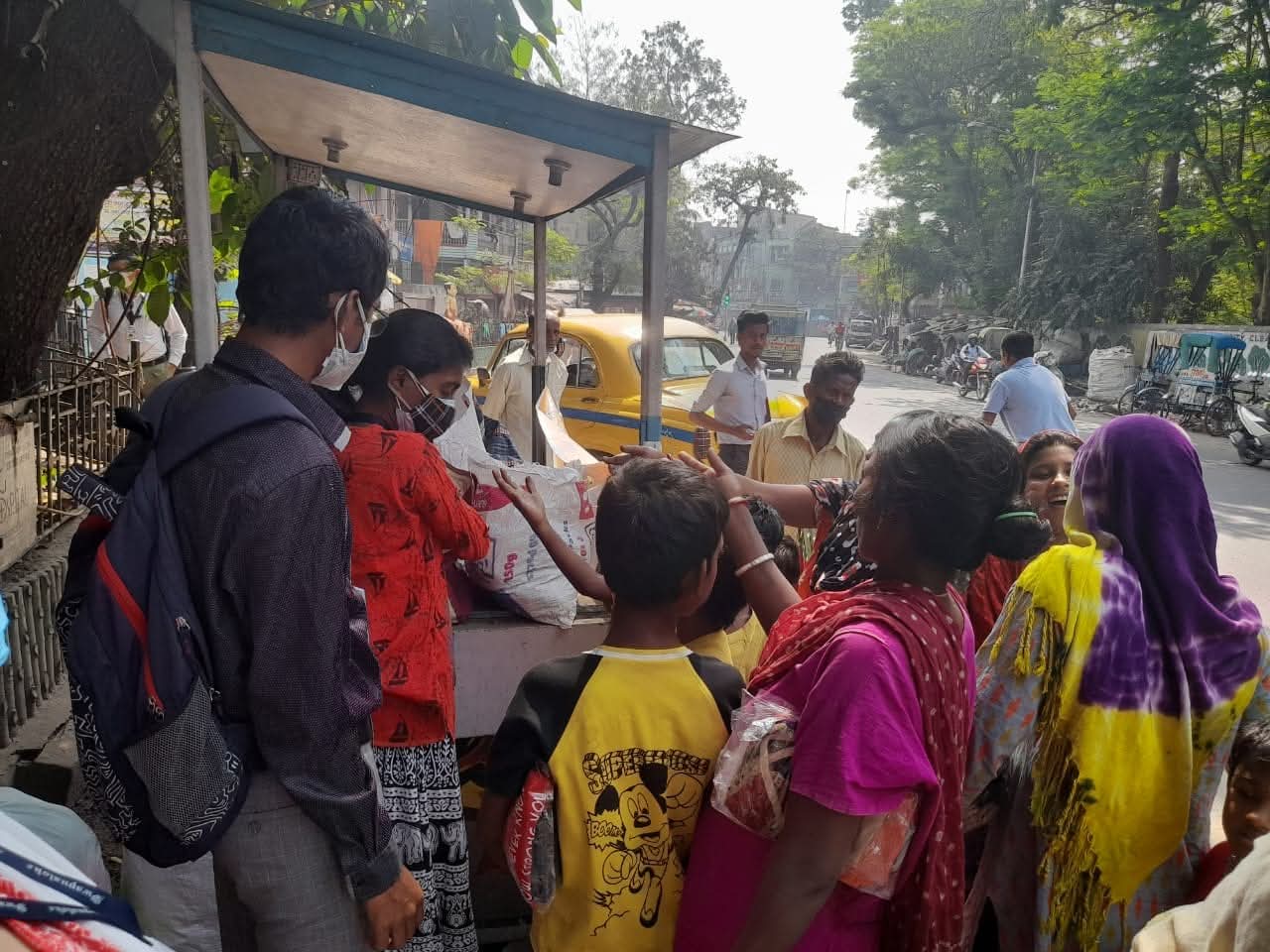
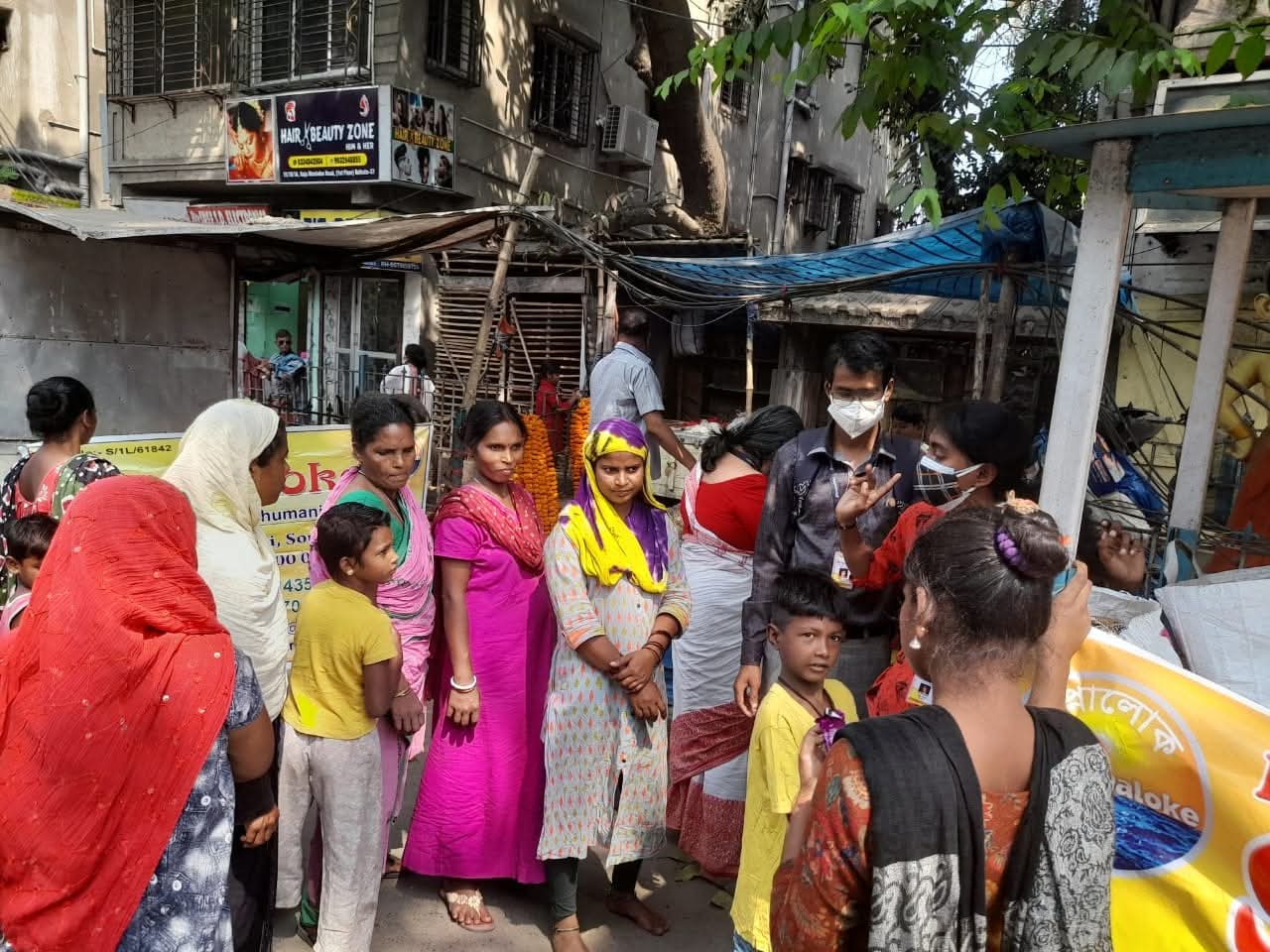
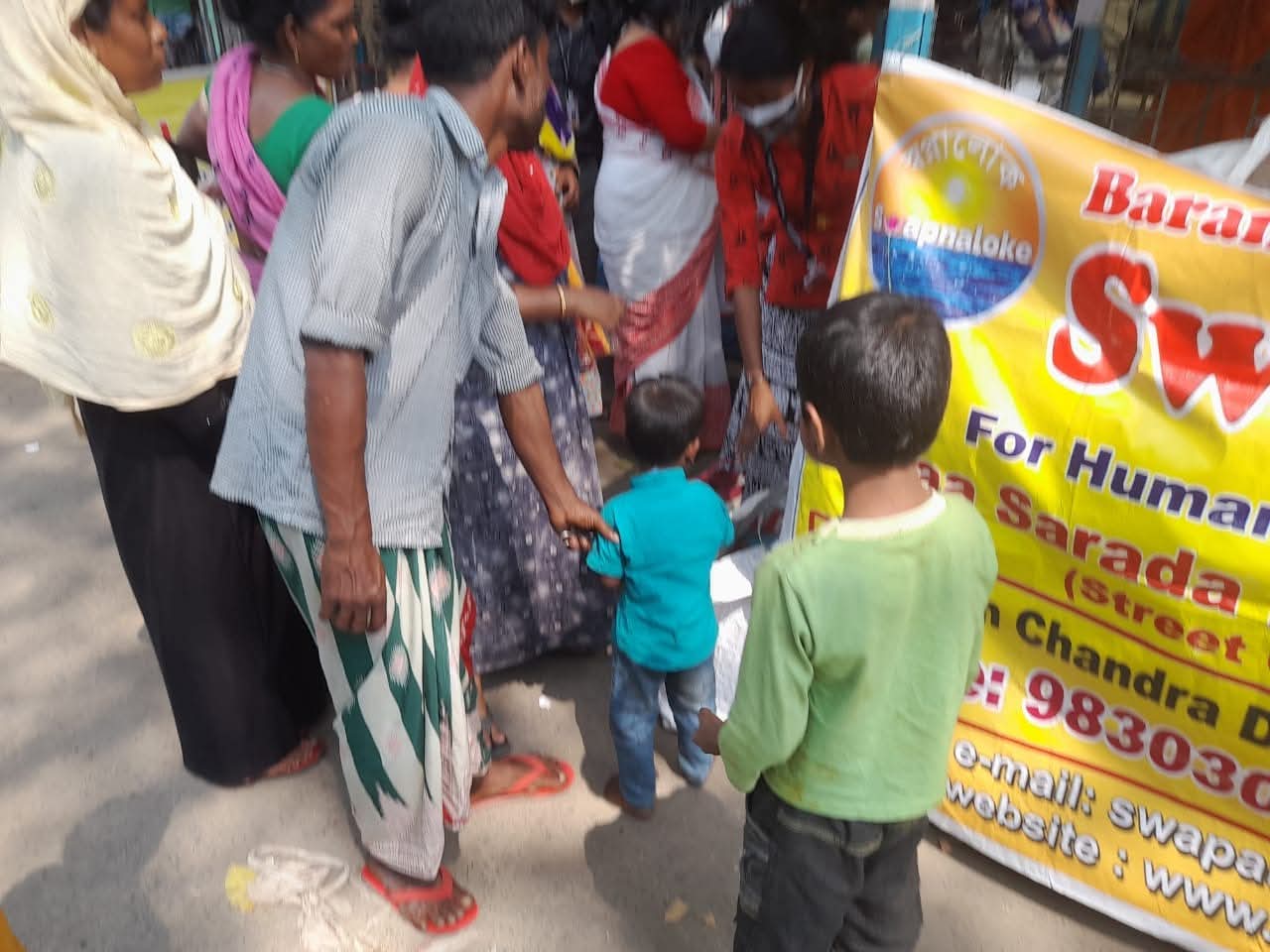
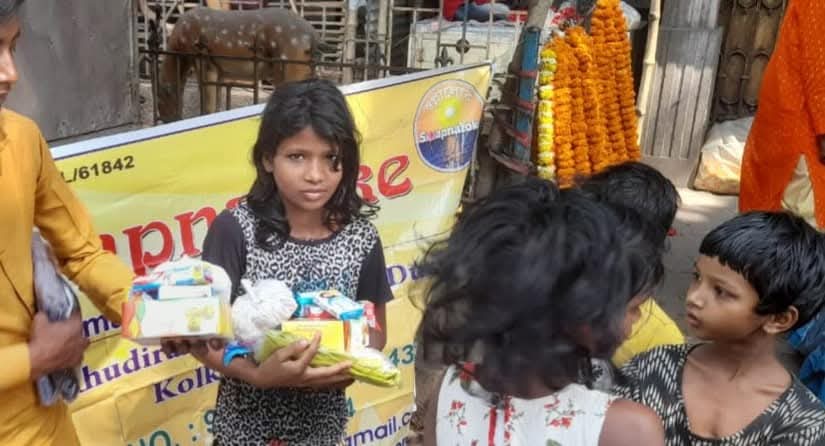

Baranagar Swapnaloke for Humanity with Humanity began its journey on December 30, 2008, with a mission to uplift lives through compassion and service. Under its flagship project, Maa Sarada Pather Alo Prakalpa, we have, for over a decade, operated four core centres in Kolkata focusing on: non-formal education for street children, daily free coaching for slum children, empowerment of underprivileged women through learning, provision of food, nutrition, clothing, and daily essentials, extracurricular activities, and healthcare for street and slum children (2009–2020).
During this period, nearly 1,500 children and adolescents received direct support, and around 30 child marriages were prevented—giving young girls the opportunity to continue their education and build brighter futures.
Today, the project continues through the distribution of educational materials, dry rations, essentials, and clothing to underprivileged street and slum children and adults in Kolkata.
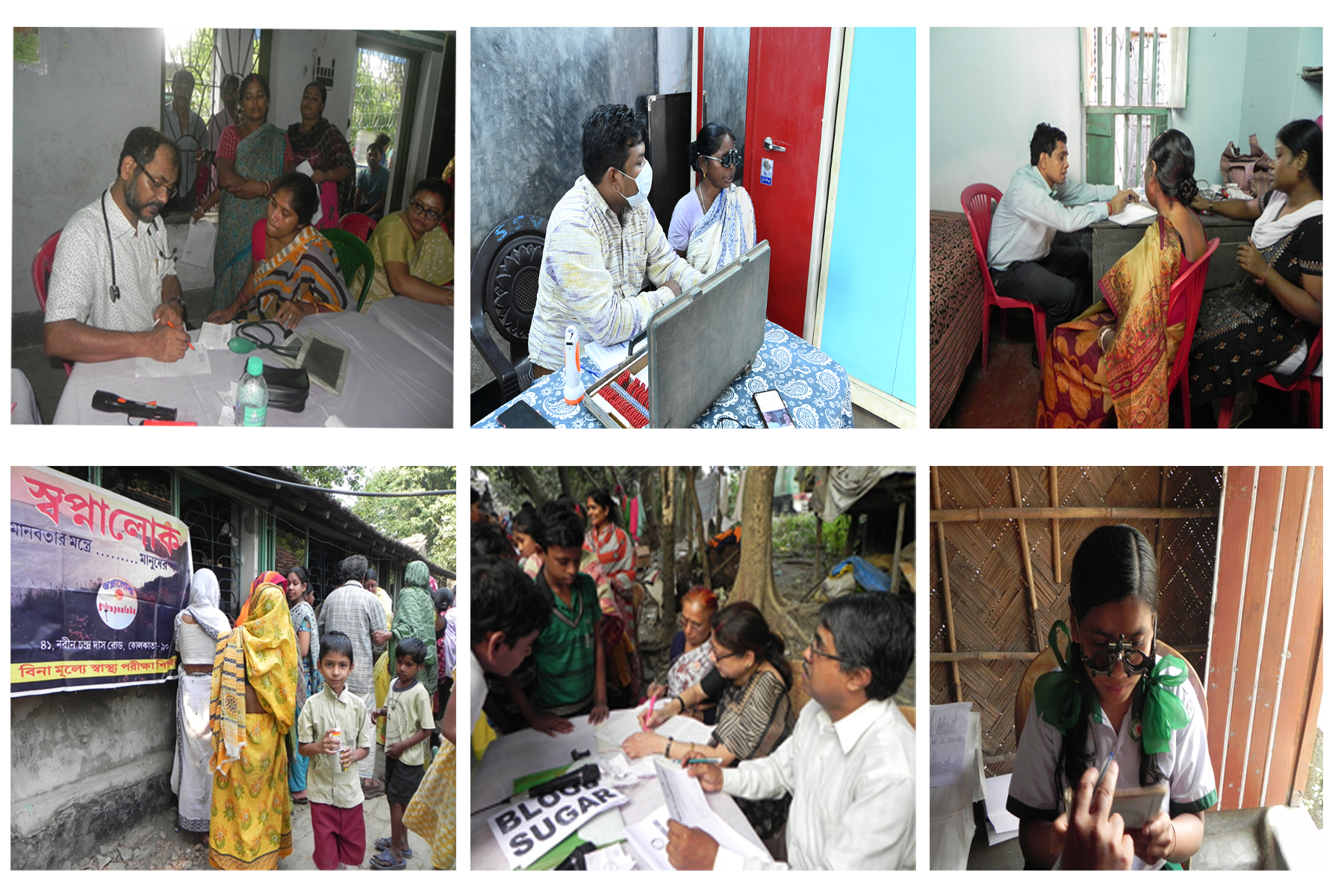
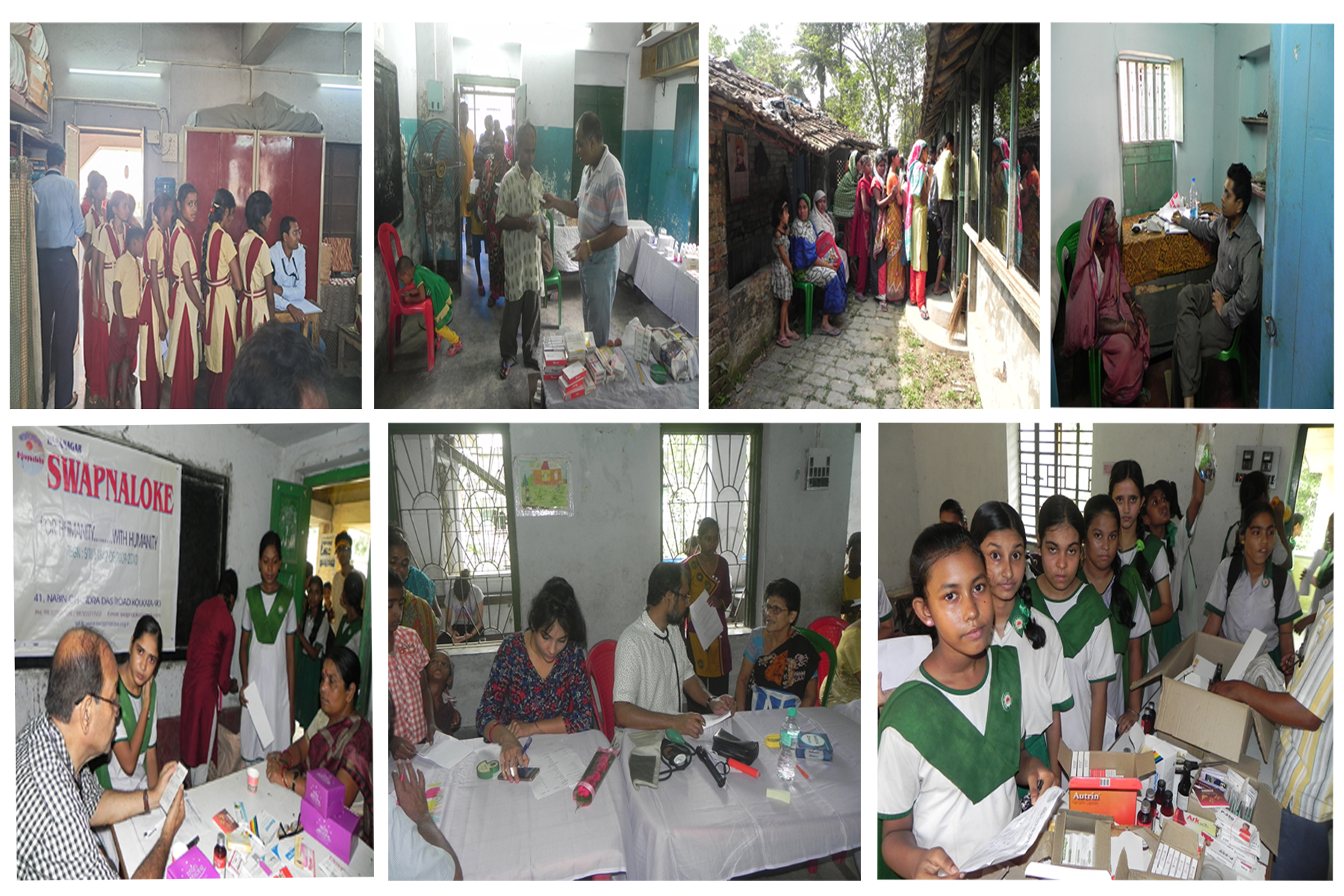
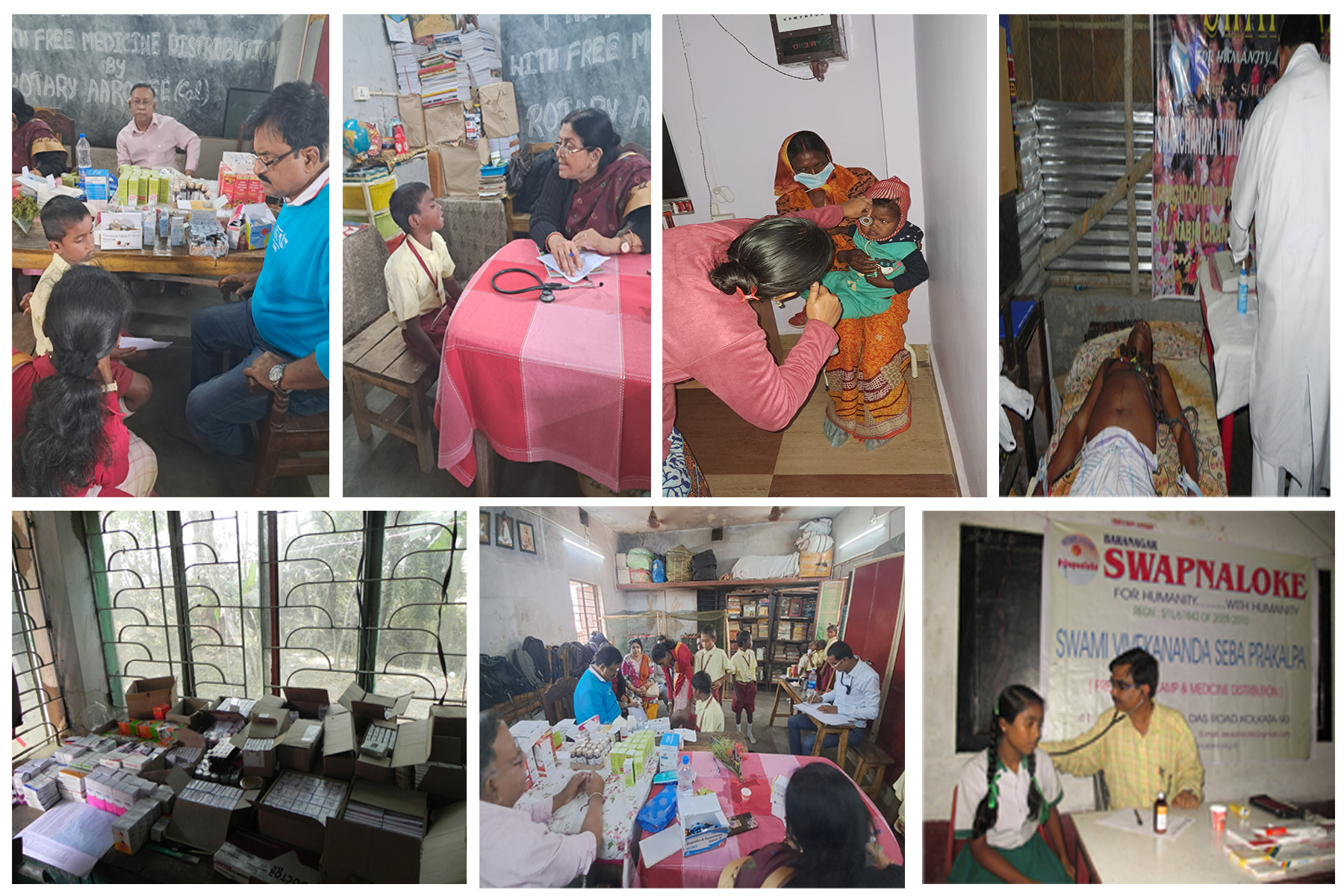
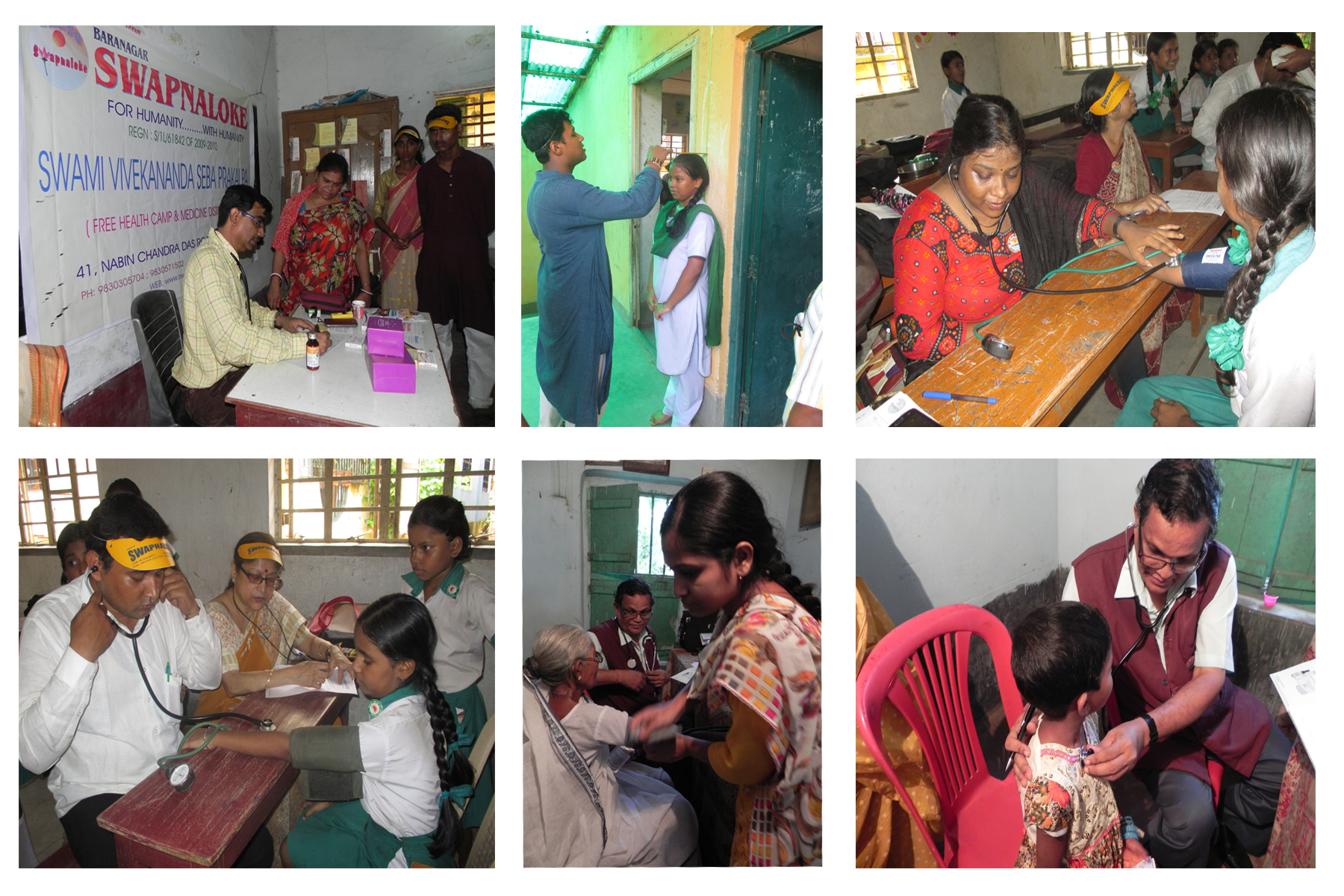
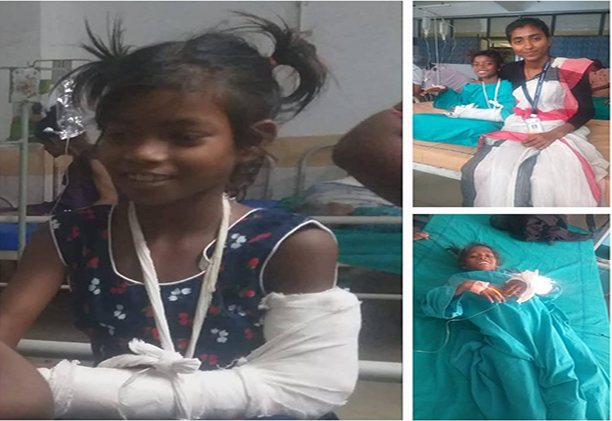
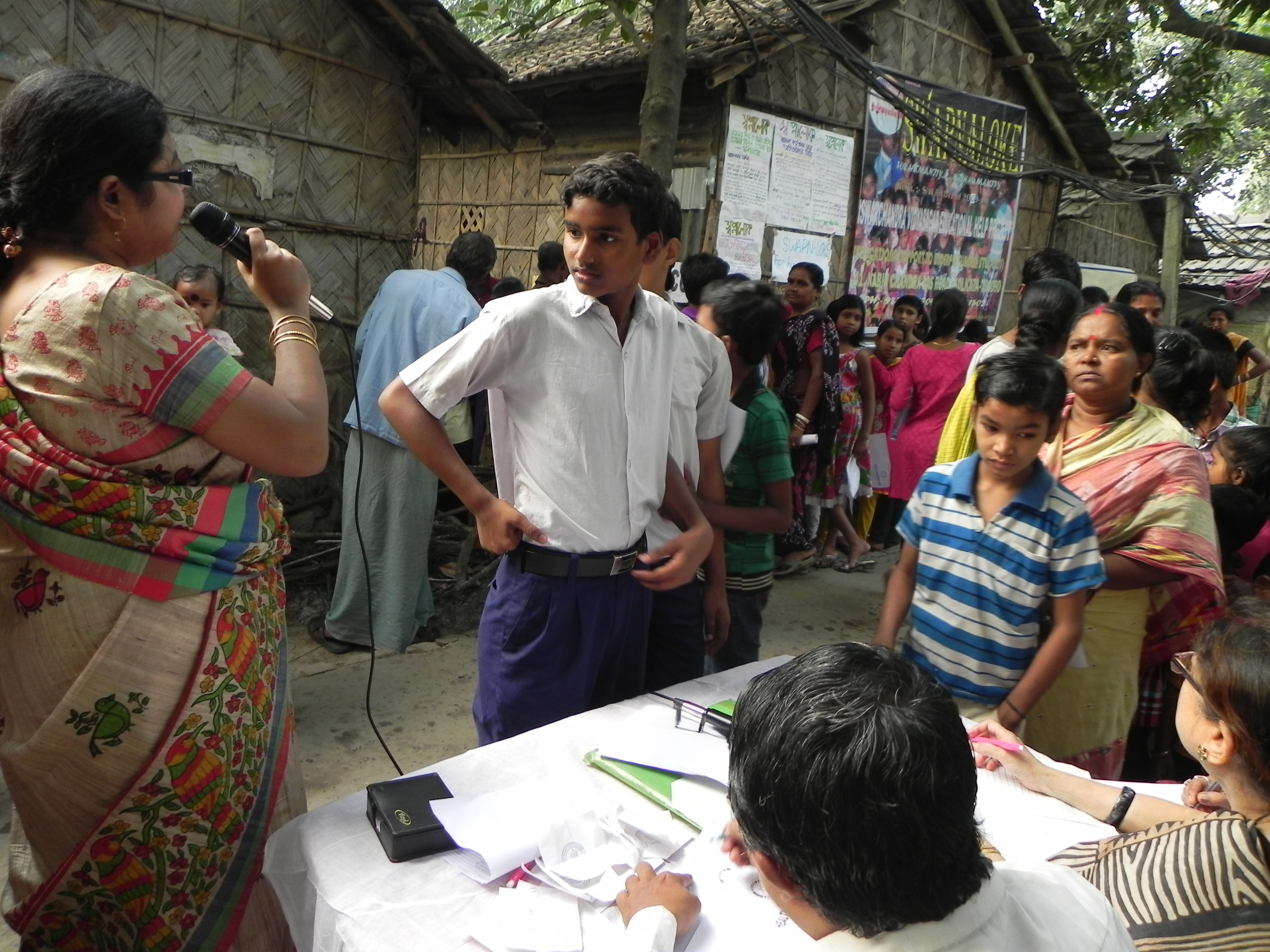
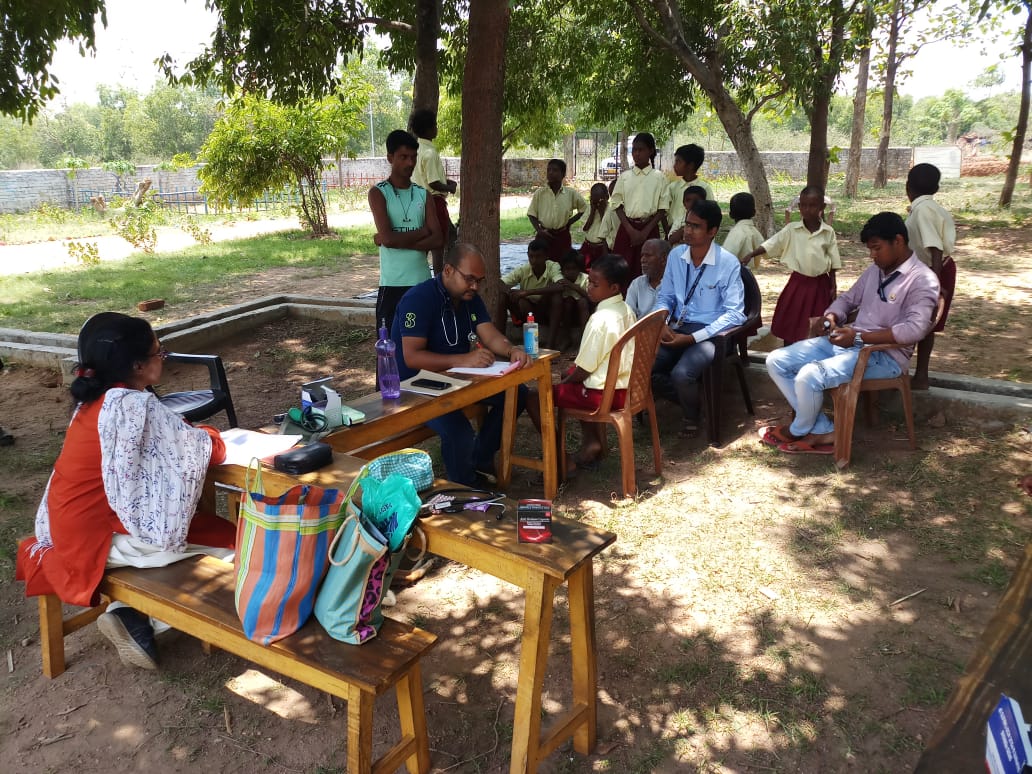
On 25th January 2009, we launched this project by organizing a free medical camp and distributing medicines for 350 people in a slum area on the outskirts of Kolkata. Since then, we have conducted medical camps from time to time in various villages across West Bengal, particularly in Fuleswar and Purulia, with the support of eminent doctors.
In addition, with the assistance of Rotary Club and the Lokeswarananda Eye Foundation, we have organized several camps providing eye care services and cataract surgeries for underprivileged, rural, and tribal communities.
Till date, more than 5000 people have been benefitted from this initiative.